
 by
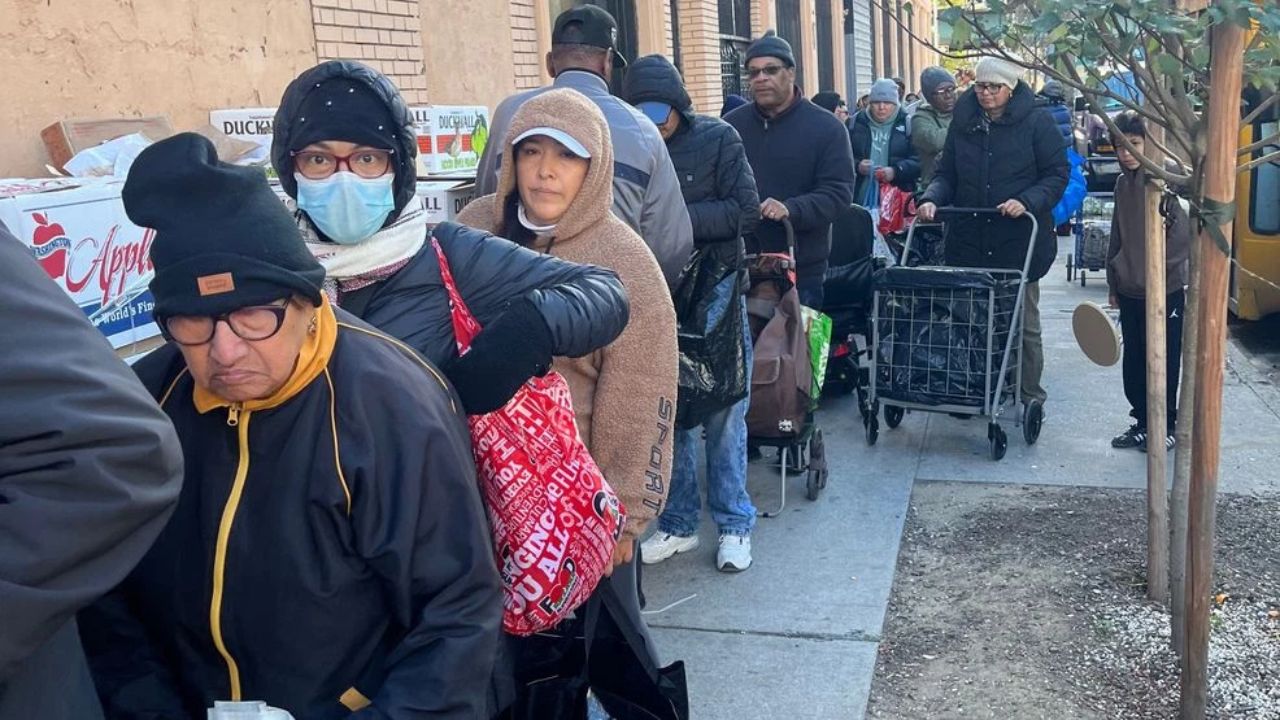
by Los Angeles, California – As uncertainty looms over the future of federal SNAP funding, the Dream Center in Echo Park has stepped up to provide vital support for residents struggling with food insecurity. The nonprofit organization has announced that it will now offer three free meals a day, seven days a week, to help families and individuals affected by potential disruptions to government food benefits.
Dream Center Expands Meal Services Amid SNAP Concerns
The Dream Center, located at 2301 Bellevue Avenue, has long served as a community hub for those facing hardship in Los Angeles. With growing fears over delays in Supplemental Nutrition Assistance Program (SNAP) payments, the center is expanding its services to ensure that no one in the city goes hungry.
Meals will be served on weekdays with breakfast from 6:30 a.m. to 7:30 a.m., lunch from 11 a.m. to 1 p.m., and dinner from 4:30 p.m. to 5:30 p.m. On weekends, breakfast will be offered from 7:30 a.m. to 8:30 a.m., lunch from 12:30 p.m. to 2:30 p.m., and dinner from 5 p.m. to 6 p.m. The center’s food pantry also remains open Monday through Friday from 1 p.m. to 3 p.m., providing groceries and essential supplies for residents in need.
A spokesperson for the organization said the expanded meal program is designed to meet a rising demand from families affected by the ongoing government shutdown and uncertainty around food assistance programs.
Uncertainty Surrounds SNAP Funding
More than 1 million households in California rely on SNAP benefits each month to afford groceries, according to the U.S. Department of Agriculture (USDA). However, those benefits are at risk due to the ongoing federal government shutdown and the political impasse in Washington, D.C.
A recent court ruling temporarily blocked the federal government from suspending SNAP payments, marking the first time in the program’s 61-year history that such a suspension was even considered. The decision provided temporary relief for beneficiaries, but officials warn that many could still face delays in receiving their benefits due to administrative and funding issues.
Even with the judge’s order, reloading debit cards used by SNAP participants may take one to two weeks, potentially leaving thousands of Californians without access to food in early November.
Political Tensions Deepen the Crisis
The situation became even more uncertain when President Trump reportedly suggested that SNAP benefits could be halted unless Congress passed a resolution to reopen the government. The comments sparked concern among both state officials and advocacy groups.
White House press secretary Karoline Levitt later clarified that the administration was continuing to fund SNAP through contingency reserves, though those funds are limited and could run out if the shutdown persists.
The USDA had originally planned to freeze payments starting November 1, citing a lack of federal funds. If that plan were to resume, it could affect an estimated 1.75 million California households, representing about 13% of the state’s population.
Los Angeles County Faces the Greatest Risk
In 2023, data showed that 15% of Los Angeles County households depended on SNAP assistance. In some parts of Southern California, the reliance is even higher — San Bernardino County at 17%, and Imperial County leading with 28% of households receiving benefits.
Experts warn that if SNAP payments are delayed, food banks and local charities could experience an overwhelming surge in demand. That’s one reason organizations like the Dream Center are scaling up resources now, before the full effects of the shutdown are felt.
Read Also: Halloween ‘Needle in Candy’ Story Turns Out to Be a Hoax by 9-Year-Old, Officials Reveal
How Residents Can Find Help
For those in need of immediate food assistance, the Dream Center’s expanded meal program is just one of several options. Many other food banks across Southern California — including those in Los Angeles, Orange, Riverside, San Bernardino, and Ventura Counties — continue to distribute groceries to struggling families.
Residents can also dial 211 for local nonprofit and emergency food service information.
Meanwhile, senior meal programs are available across all five Southern California counties, offering both home-delivered meals and in-person dining options for older adults.
A Community United in Support
Despite the uncertainty surrounding SNAP, organizations across California are working together to fill the gap. For the Dream Center, this expansion isn’t just about food — it’s about restoring hope during a time of national instability.
“Our mission is to make sure no one goes hungry,” a spokesperson said. “As long as we have the ability to serve, we’ll be here for our community.”
How are SNAP delays affecting your community in California? Share your story or local updates on race-day-live.com.